
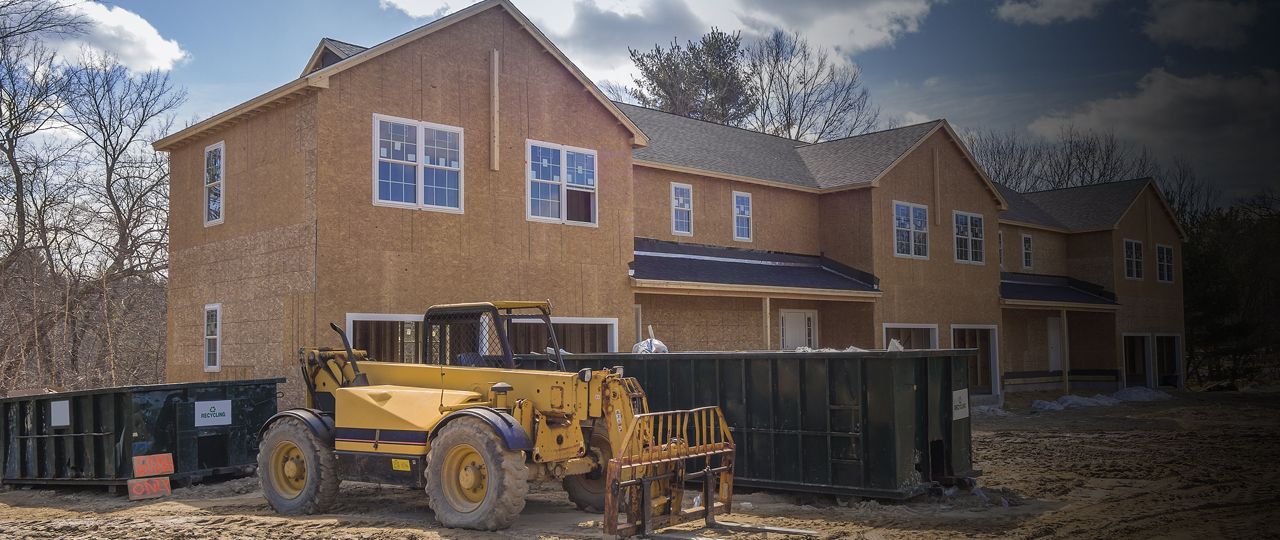
We’re facing a massive housing shortage, yet new figures show that out of two million planning permissions issued since 2006, work has started on just 1.26 million of these projects.
The new report from Civitas shows a massive 38% of all planning permissions granted for housing between 2006 and 2015 failed to make it to the laying of the foundation stage. That means on average 86,000 homes a year have gone ‘missing’.
This comes at a time when the Government is failing to hit its annual housing target of 200,000 a year. And the gap between approvals and starts has been growing wider over the past five years with a significant increase in the number of permissions granted since 2011 not being matched by a comparable increase in starts or completions.
So why is this?
Non-builders holding on to land
Civitas claims a third of the unbuilt planning permissions – around 250,000 homes - are being held by ‘non-builders’, such as historic landowners or land speculators.
It blames ‘land hoarding’, whereby these institutions or investors hold onto the land over a long period to try and get the most value from it. These plots are usually bought without planning. Once planning permission has been granted, the value of the land skyrockets.
Usually it is sold soon after, but some are realising that if they hold on to it for longer they can get more money from it.
This issue is particularly large in London, where in 2012, 45% of its unbuilt planning permissions were held by non-builders.
Developers waiting
Civitas also accuses housebuilders of a similar tactic, whereby they reduce their development and housing sales to a “drip-feed” so that it can maintain profit margins.
If a developer buys a large plot and then develops it at once, flooding the market with hundreds of properties, the value of these homes will drop due to the economics of supply and demand. But if they artificially reduce the supply by only releasing a handful of homes at a time, they can keep prices high.
Daniel Bentley, editorial director at Civitas, says recent changes to planning regulations have made it easier to get permission for homes. This has played into this tactic of allowing developers to ‘bank’ the additional planning permissions and top up their development pipeline for years to come without actually having to increasing output.
Brexit delays
While the figures paint a picture for the past decade, in recent years there have been fears over the plans, and eventual vote, to leave the EU.
With property being affected greatly by the UK’s relationship with Europe, many developers have delayed larger projects until they know what the future holds. The result of the vote will be felt from top to bottom, with some investors potentially getting cold feet due to the fact that a large part of the construction workforce is made up of European workers.
In the months before the vote, construction output dropped by 3.6%, according to the Office for National Statistics. The latest Markit/CIPS UK Construction PMI index told the same story, with the index falling to 46 in June. This was the first time it had dropped below the neutral 50 mark since April 2013.
But now that the uncertainty is over – to an extent – new figures show the number of new homes registered for construction in Britain actually rose in the second quarter of 2016, to its highest level since 2007.
Local planning
The introduction of both local and neighbourhood plans through the National Planning Policy Framework (NPPF) have prevented some projects moving forward.
A recent investigation by The Times found that a third of major planning applications had suffered delays in the past five years.
Much of this is through the confusion surrounding the various plans, causing many applications to be unfairly rejected. But even those that have been approved are being hit by the NPPF.
For major housing developments (over 10 dwellings), the total number of appeals allowed post-NPPF has increased, and the proportion of appeals upheld following hearings and public inquires has risen significantly from 40% to 54% for hearing and 58% to 67% for public inquiries, according to figures from Turleys.
David O'Leary, Policy Director of the Home Builders Federation, says that getting from outline planning permission to the stages necessary to be able to build, including meeting conditions imposed by local authorities, can take “considerable time”.
Figures not telling the full story?
While none of this looks like good news, the headline figures don’t necessarily tell the whole story.
For example, there is a big difference between ‘starts’ and ‘completions’, with the number of completed houses considerably higher than the number of starts, suggesting ‘starts’ might not be the best measure of housebuilding figures.
In fact, the Home Builders Federation has disputed the accuracy of start data. This data comes from the Government’s quarterly ‘House building’ series, but HBF says it under-estimates activity.
Civitas also notes that many of the two million plus permissions granted over the past decade will have expired. Planning permission can expire if work has not begun after three years.
But despite this, Civitas says the overall picture is that permissions are not being converted fast enough into new homes that people can live in.