
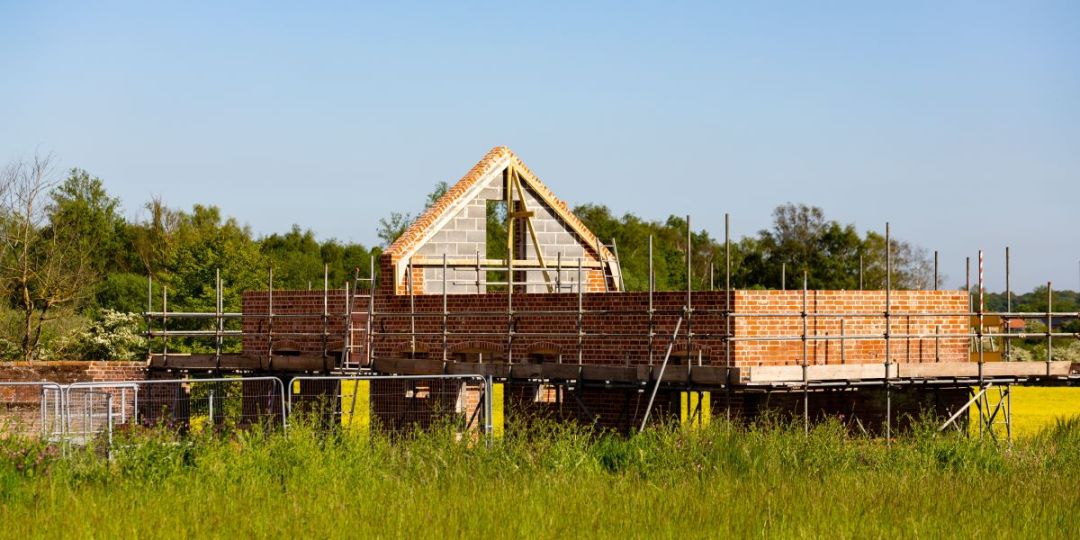
Building in your garden | What you need to know before you begin
Standing at the bottom of your garden, what was once a lawn or even an orchard can begin to suggest something more. A building plot for another home perhaps, quietly set behind the first.
It could be for family, somewhere to downsize to, to generate long-term income, or to unlock value from an existing plot.
While the idea may be simple, the reality is not so straightforward. It requires careful judgement – both in design and planning. Katie Lamb, Head of Planning at Strutt & Parker, shares some top tips:
Location
The starting point is always whether a separate house will be supported in planning terms.
With more built-up areas, the principle of introducing a second dwelling can often be supported, particularly when it follows an established pattern of development. Move into a more rural or isolated location, and the position becomes more nuanced, with tighter controls.
In these settings, expectations are notably higher. The design will need to be of exceptional quality. Paragraph 84 of the NPPF states it should be ‘truly outstanding, reflecting the highest standards in architecture, and would help to raise standards of design more general in rural areas; and, would significantly enhance its immediate setting’ – so think Grand Designs!
Avoid ‘garden grabbing’
Planning authorities are particularly alert to what is often referred to as ‘garden grabbing’ - where a new house feels squeezed into a plot without regard for its surroundings. The strongest proposals will feel deliberate and considered - that means getting the scale, footprint, and positioning right so the new house sits comfortably within the plot and its surrounding or does it appear incongruous in its surroundings?
Privacy matters
Introducing a second dwelling inevitably changes how a space functions – for all properties. Privacy, access to light and outlook all need careful thought, and the relationship between existing properties and the new on
e is key. Distances between buildings, garden sizes and how each property is accessed will all influence whether it works in practice.
Architectural know-how
A well-chosen architect brings more than design – they will come with an understanding of how the scheme will be read. Whether contemporary or more traditional, the new house should respond to the local vernacular.
Experience matters here. Look for a strong track record, including recent builds, and previous successes with your local council when deciding who to instruct, as this can make a meaningful difference when navigating the planning process.
Energy and efficiency:
Modern homes are increasingly expected to incorporate energy-efficient features. Solar panels, air source heat pumps and EV charging are all considerations that can weigh in favour of your proposal, while reducing costs over time.
Plan the planning process:
As with any planning project, preparation is everything. It is important to make sure you’ve got a team of well-respected consultants who can prepare a robust application and present a clear case to the local authority.
Seeking pre-application advice can also be invaluable by providing an early indication of support, helping to identify any concerns before a full application is submitted.