
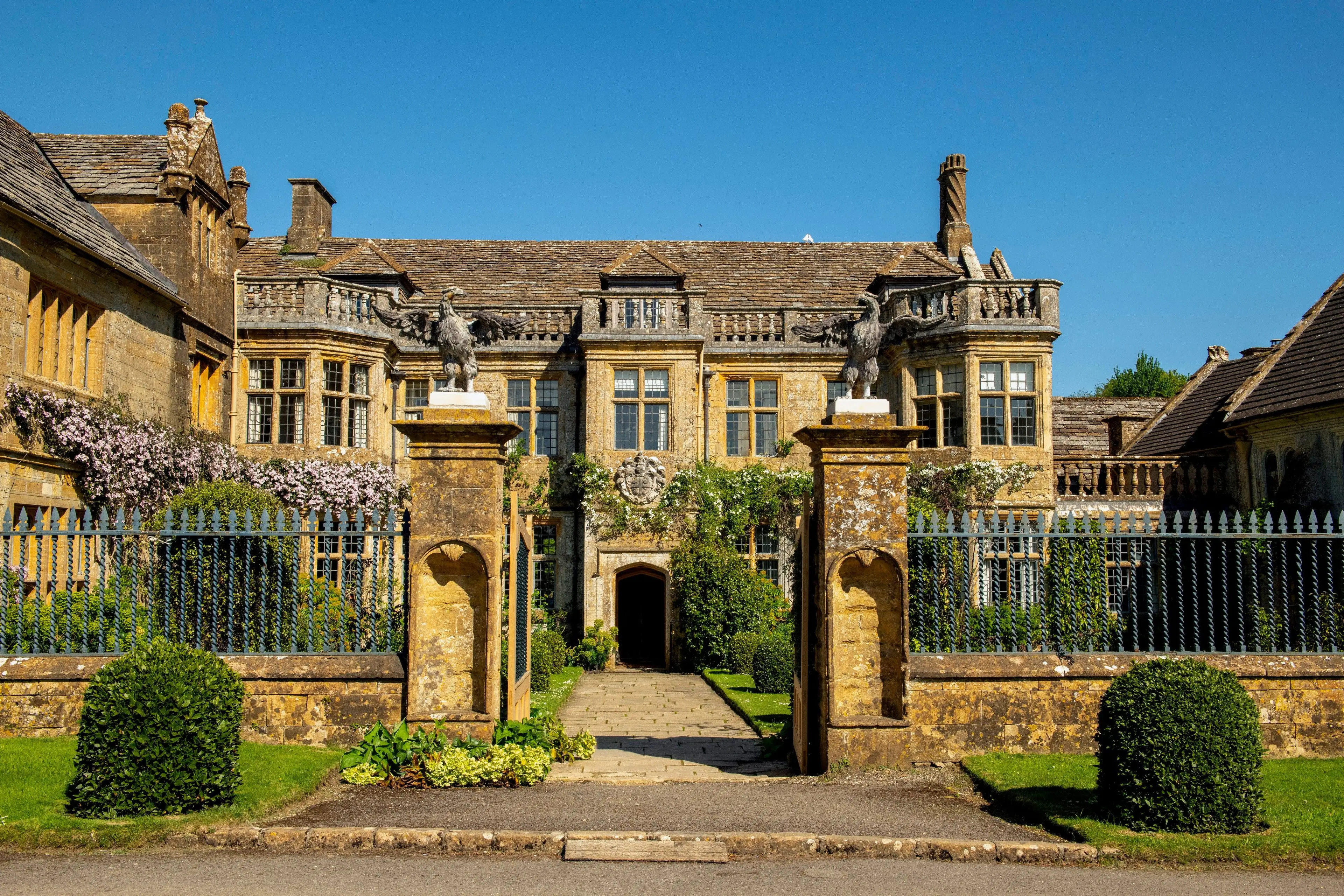
Behind the scenes at Mapperton | Welcoming film crews to a country estate
Historic houses may look as though they have been standing still for centuries, but the bills for keeping them there certainly do not.
For many country estates, regular income streams need to be supplemented by other sources to help care for the house, gardens and land. Many now are choosing to open their doors to film productions, which in turn are introducing new audiences to places that might otherwise have remained behind the gates.
Mapperton House, a Grade I-listed manor set within Grade II*-listed parkland and gardens, has provided the backdrop for productions such as Rebecca, starring Lily James, to Far From the Madding Crowd, and Jane Austen’s Emma with Gwyneth Paltrow. Each production brings with it its own small army of trucks, cables and practical questions - and, on occasion, a Hollywood star looking for a cup of tea. We spoke to the Countess of Sandwich about what happens when the cameras come to Dorset.
What’s the process like, from the initial enquiry to filming itself?
It usually begins with a location scout getting in touch, often with photographs already in hand because they’ve spotted Mapperton in something else. Then comes a recce, where the director and production designer walk the house and gardens, working out what will suit the story.
If it’s a yes, we agree dates, rates and all the practicalities, including parking for the trucks, power, and which rooms are strictly off limits. A contract sets out exactly what can and cannot happen. From that first email to the cameras rolling can be anything from a few days to a few weeks, depending on the scale of the production.
Have there been any unexpected challenges or surprises when hosting film crews?
The weather is the great unknown, and a period drama that needs glorious summer sunshine has an unhelpful habit of arriving in a Dorset downpour. Then there’s the sheer scale of it - a big crew can turn the drive into a small town of trucks and cables overnight.
Our biggest worry is always the house itself. These rooms are old and fragile, so we watch the moving of furniture and lighting rigs like a hawk. But most of the surprises are the lovely kind, such as finding a Hollywood star having a cup of tea in your kitchen.
How do you balance the demands of a film production with the estate’s day-to-day operations?
This is the real juggling act. Mapperton is a working estate and a family home, and it doesn’t stop simply because a film crew has arrived. We plan around our garden openings and events wherever possible, and if we do have to close to visitors, we give plenty of notice. My husband, Luke, and I, along with our brilliant team, essentially run two operations side by side.
How do you see filming fitting into the estate’s longer-term plans?
Filming will always be part of the picture here. The income is one of the ways we keep a Grade I listed house standing, and every production helps fund the next roof or restoration project. But it has also become part of our story, and feeds directly into what we do on our own YouTube channels. My hope is that Mapperton carries on being a place where wonderful period drama is made, while we keep sharing it with our own audience too.
What advice would you give to other estates considering becoming filming locations?
Say yes, but with your eyes open. Make sure you have a proper contract, know exactly which rooms and areas are off limits, and be honest about what your house can and cannot take. Protect the things that matter most and make sure you or someone you trust is on hand throughout. Most importantly, remember that the crew are your guests as much as your clients, so a warm welcome - and a good supply of tea - goes a very long way.