
Minerals Q&A: Why understanding what lies beneath matters
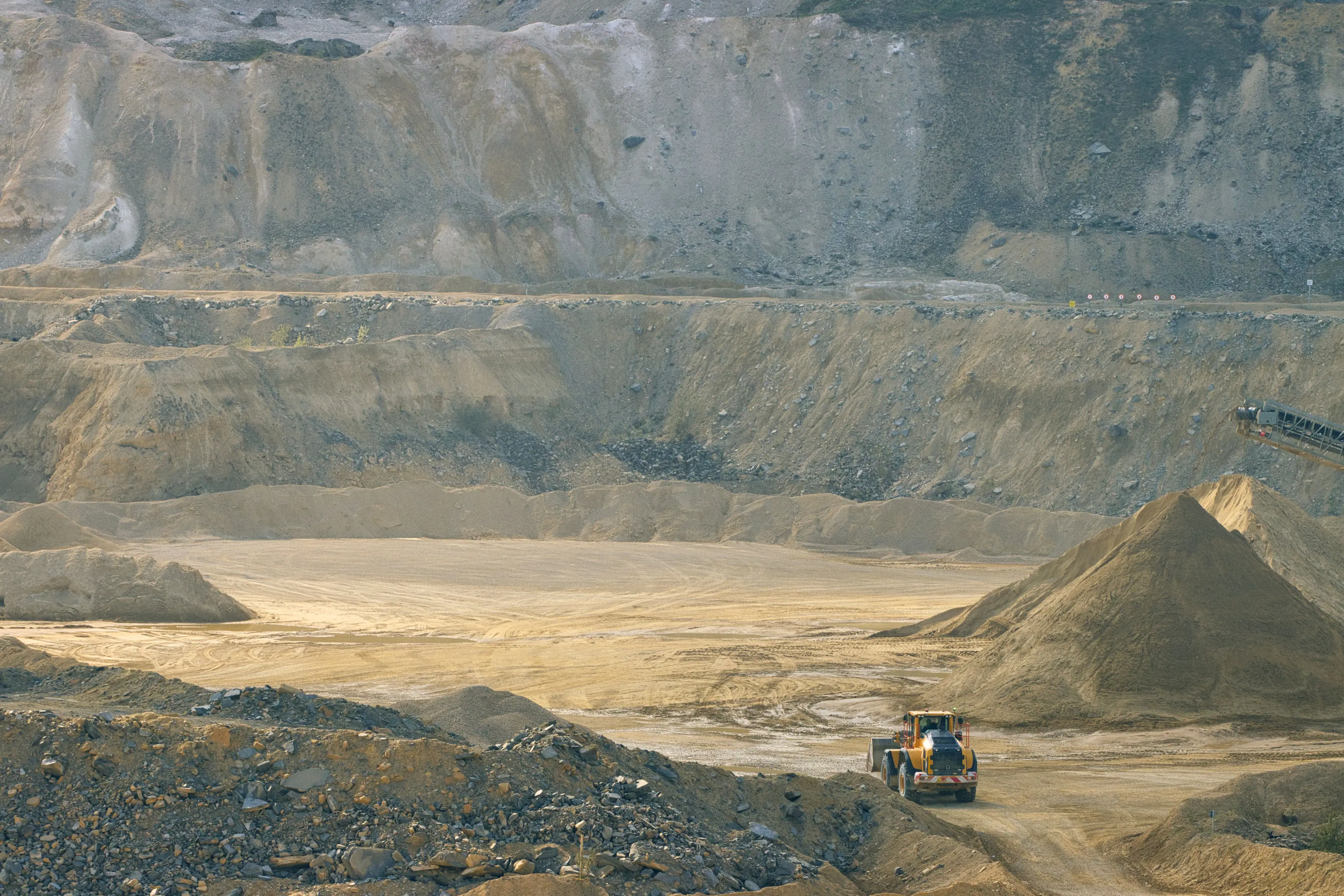
Mineral rights, quarry lease management and historic mine workings can all have significant implications for rural landowners. The UK has just over 2,000 mineral workings, extracting a wide range of commodities from sand, gravel and limestone to salt, gypsum and gold.
Mark Stephenson, Strutt & Parker's minerals and waste management specialist, outlines the opportunities and risks he is currently seeing within the minerals sector.
Why are mineral rights such a hot topic at the moment?
Mineral rights have become a more prominent issues over the past three to five years, as mineral owners look for ways to realise the value of their assets. The ownership of mineral rights often lies with the surface owner, but mineral rights can be separate from ownership of the land above, sometimes as a result of historic arrangements dating back centuries. Where this is the case, if permission is granted to extract the minerals, the surface owner will be unable to prevent this but will be compensated for the loss of surface use.
The relationship between surface and mineral rights is also important in relation to development. Digging down into the subsoil during a development project, for example to install foundations or drainage, constitutes a trespass event if the minerals rights are held separately to the surface of the land. This means mineral owners effectively hold a ransom strip below the ground and granting a licence to allow groundworks is a common commercial compromise that protects their rights while monetising the developer's need for access. For landowners, understanding who owns what is essential before selling or developing land. Failing to establish ownership could lead to costly disputes.
Are there growing opportunities in terms of minerals extraction?
Obtaining planning permission for a new mineral extraction site is extremely difficult, so most current applications involve extensions to existing quarries or satellite sites nearby. Where mineral owners are seeking to extend their workings, we can provide specialist advice to the landowner to assess the terms and protect their interests.
If I already have a quarry on my land, how can I make sure I am getting a fair return?
Mineral extraction involves a wasting asset: once the material is removed, it is gone. Landowners typically receive royalties based on the quantity of material extracted, sometimes alongside rental payments.
A specialist mineral surveyor can review lease terms, assess whether the operator is complying with its obligations and check that royalty payments accurately reflect extraction. This can include inspecting site records, checking tonnage calculations and negotiating better terms where appropriate. Effective lease management helps landowners secure the value they are entitled to throughout the life of an operation.
Can historic mine workings affect land even where mining stopped generations ago?
Absolutely. The UK has a long mining history, and the legacy extends well beyond former coalfields. Historic workings for minerals such as tin, chalk, limestone, gypsum and salt can lie beneath farmland, rural properties and development sites. In some cases, records are incomplete, and landowners may be unaware of the workings until a problem emerges.
The key is understanding the local geology, the type and age of the workings, and whether there is any realistic risk of ground movement. Specialist investigation can help establish the level of risk and inform decisions about development, insurance and property transactions.
Historic mine workings can sometimes lead to ground collapse, particularly where old shafts or underground voids have deteriorated over time. Many were sunk over 100 years ago and the timbers used to support them have now rotted through. Changes in groundwater conditions can also play a role. Prolonged dry weather followed by heavy rainfall can increase the risk in certain geological settings.
Not every historic working presents a significant hazard, but it is important not to dismiss warning signs. We help landowners determine whether there are potential risks from past underground mining activity and advise on whether precautions should be undertaken.
How can historic workings affect the value of a property or land?
The presence of a mine shaft or historic workings can raise concerns for buyers, lenders and developers, potentially affecting marketability and value.
Understanding the geology and mining history helps distinguish between genuine risk and uncertainty that can be addressed through evidence. A specialist valuation can take account of the nature of the workings, the likelihood of ground movement and any available investigation or remediation. This can help landowners understand the implications for value and, where appropriate, provide reassurance to prospective buyers or lenders.
If you would like to know more about minerals services contact Mark Stephenson.