
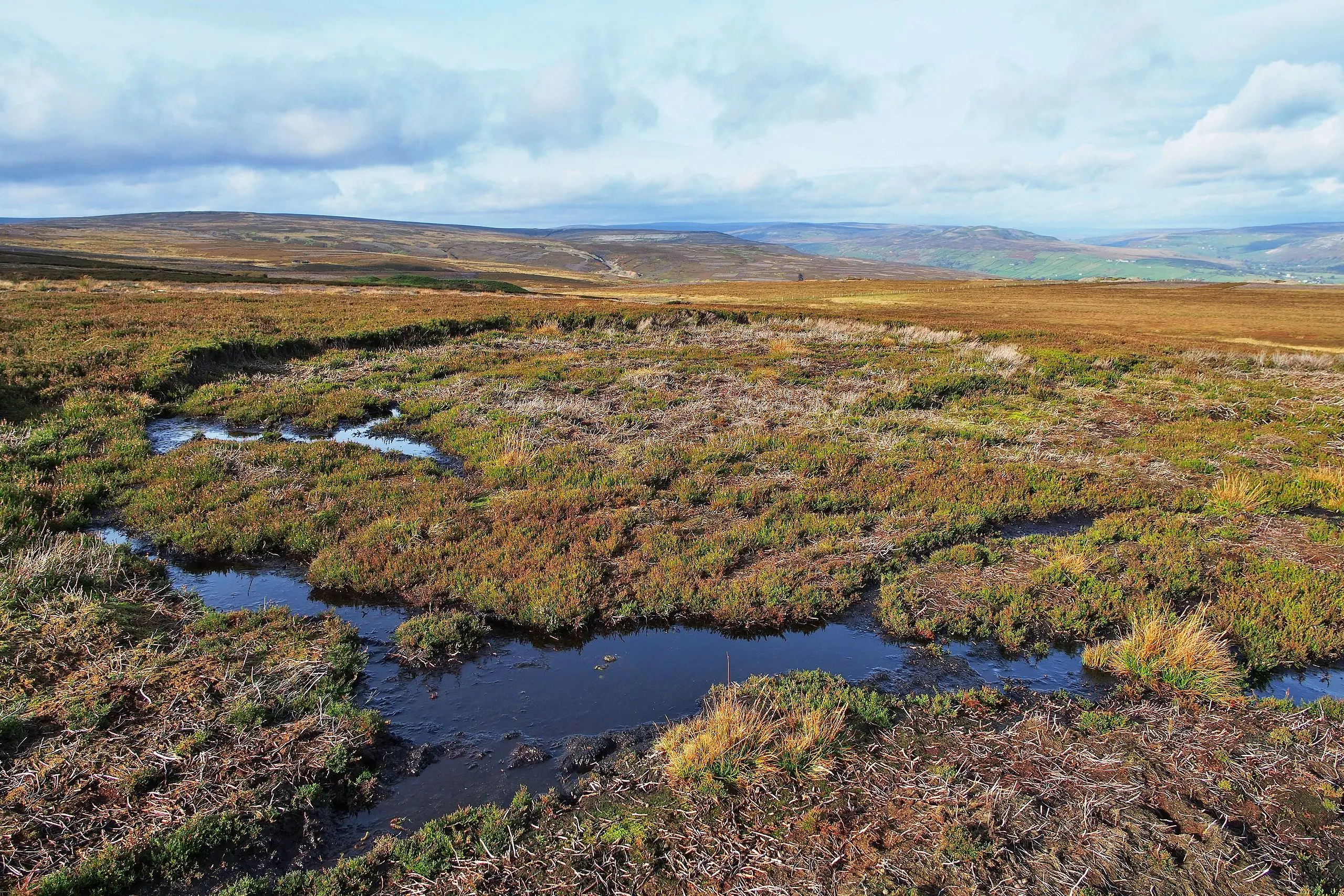
Peatland restoration and carbon
We work with landowners to ensure their projects are scientifically robust, fully compliant with the Peatland Code, and capable of delivering long-lasting environmental and financial value.
When healthy, peatlands lock in carbon to reduce the effects of climate change; however, degraded peatlands emit carbon as they dry out. Peatland restoration works to restore drained or damaged peatlands and improve their resilience against the impacts of climate change. Our specialists work with peatland owners to support large-scale restoration, ensuring that outputs meet the strict standards required for the verification and sale of Peatland Carbon Units.
Peatland restoration services
Strategic advice
We provide strategic advice to clients with peatland interests, including guidance on suitable restoration approaches and Peatland Code verification, and help obtain funding and grants.
Our specialists can help with the verification and registration of peatland credits for accreditation under the Peatland Code, a voluntary certification that signifies to buyers the carbon savings you're offering are high-quality, quantifiable, and permanent.
We can also help secure public or private funding for restoration projects to ensure cost-effective implementation, long-term management, and maintenance.
Environmental project management
Our land specialists can provide guidance and operational support throughout the restoration process, and can assist in re-wetting areas of blanket bog drained for agriculture or forestry, blocking drainage ditches to halt carbon loss, and encouraging the formation of peat-forming vegetation such as Sphagnum mosses.
For landowners who understand the power of peat
Over 75% of UK peatlands are considered degraded and are a major source of greenhouse gas emissions. Restoration projects deliver vital nature-based solutions for climate change mitigation, habitat restoration, and water management, and we work with landowners to ensure their projects are scientifically robust, fully compliant with the Peatland Code, and capable of delivering long-lasting environmental and financial value.
Other services



Slide 1 of 4